
Gynaecology · Intimate health
Intimate health
Dryness, discomfort, pain during intercourse or symptoms after childbirth and during menopause are common reasons for a consultation — and problems worth discussing openly.
Diagnosis first
Similar symptoms can have different causes: hormonal changes, infections, vulval skin conditions, weak pelvic floor muscles or the effects of childbirth. That is why every consultation starts with a history and examination, and only then do we discuss treatment — from local and medical treatment, through pelvic floor physiotherapy, to in-office procedures.
- vaginal dryness and irritation, including during menopause
- discomfort or pain during intercourse
- a feeling of vaginal laxity after childbirth
- mild urinary incontinence
- individual concerns about the appearance of the intimate area
Complementary treatments
Functional and regenerative gynaecology procedures
For selected patients, after assessment, treatment can be complemented by procedures performed in the practice. I discuss each method separately: who it is for, what to expect, its limitations and the alternatives.
CO₂ laser
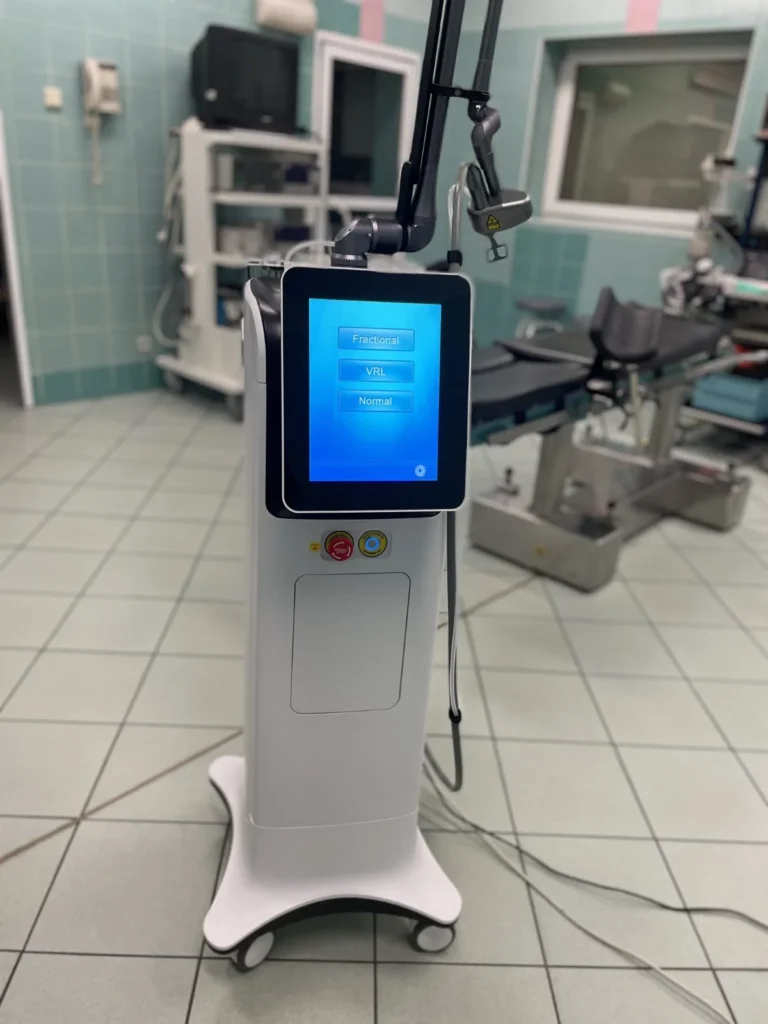
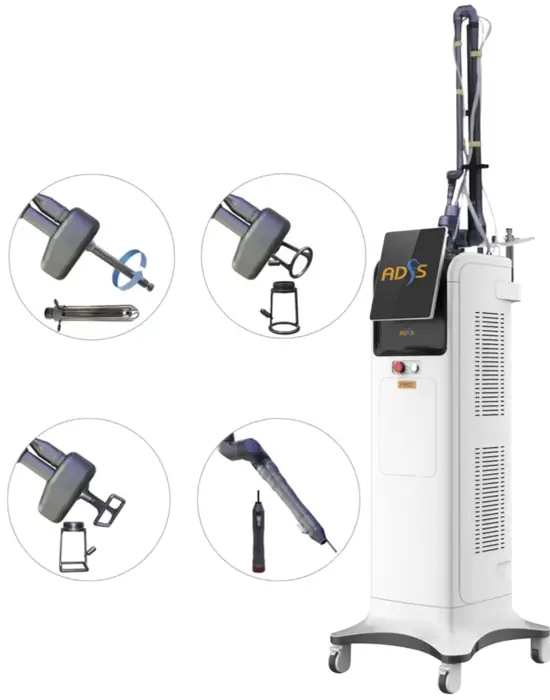
A fractional CO₂ laser acts on the vaginal mucosa and the vestibule. It is used, among other things, for symptoms of vaginal atrophy in menopause and for symptoms after childbirth. A series of treatments is usually needed. CO₂ laser is also used to treat scars, e.g. after childbirth or a caesarean section. CO₂ laser vaginal rejuvenation – details and price →
Radiofrequency (Sectum)
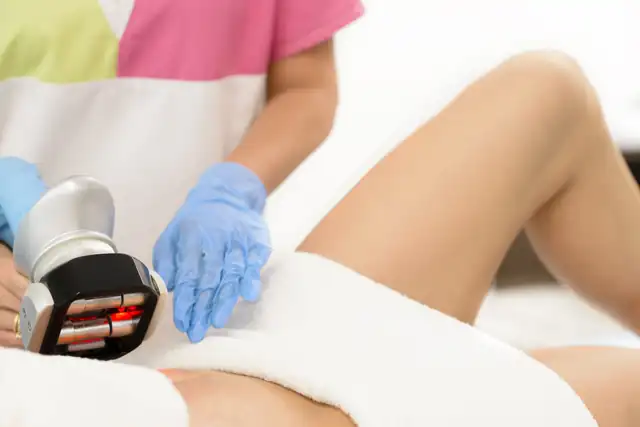
Radiofrequency energy gently heats the tissue, which may improve its tone and hydration. It may be considered for a feeling of vaginal laxity and mild functional symptoms.

Platelet-rich plasma (PRP)
A preparation made from the patient’s own blood and applied locally. It is sometimes combined with other methods as part of regenerative treatment.
The effectiveness of these methods depends on the indication and varies between individuals. They do not replace diagnosis or treatment of the underlying cause — which is why a decision about a procedure is only made after a consultation.
CO₂ laser
How a fractional laser works
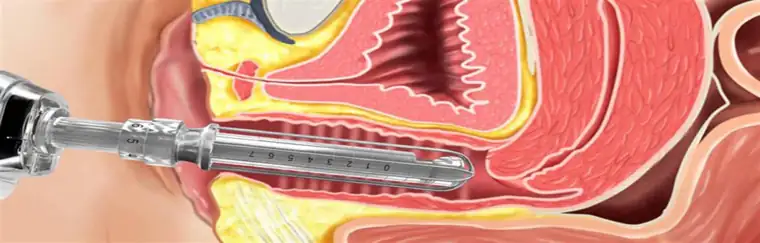
The laser handpiece emits a beam split into tiny points that act precisely, to a controlled depth, on the vaginal mucosa or the skin of the intimate area. Untouched tissue remains between the points, so healing is quick and the regenerative response builds gradually. Different handpieces are used for internal and external treatments.
A treatment usually takes 10–15 minutes, is performed in the procedure room and does not require general anaesthesia. The plan — number of sessions and intervals — is agreed individually after an examination. Protocol, aftercare and price: CO₂ laser vaginal rejuvenation.
I have performed functional and regenerative gynaecology procedures for many years; in 2023 I completed the Fellowship in Cosmetic Gynaecology (ISAGSS / American Society of Cosmetic Physicians, Dubai).
Questions
Do I need a procedure?
No. Many symptoms respond well to local or medical treatment or physiotherapy. A procedure is one option, not the starting point.
Are the procedures painful?
Sensations vary. Before the procedure I explain what to expect and the use of local anaesthesia, if needed.
How many treatments are needed?
That depends on the method and the problem. The plan is agreed after a consultation and examination.
Book a gynaecology consultation
Appointments take place at 1 Maja 88a, Katowice. Check available times in the ZnanyLekarz calendar or call the reception desk. Consultations are available in English.