
Gynaecology
Gynaecological consultations and diagnostics
Careful diagnostics, a clear explanation of results and treatment matched to the problem and your stage of life. Every visit leaves time to discuss what is possible and what needs further investigation.
Reasons to book a consultation
General gynaecology
Routine gynaecological examination, infections and inflammation, menstrual disorders, pelvic pain, fibroids and ovarian cysts — diagnosis and non-surgical treatment wherever possible. Contraception: pills, implant, hormonal and copper IUDs.
Screening: cervical smear and HPV
Conventional and liquid-based cytology (LBC), HPV testing, colposcopy and management of abnormal results — in line with PTGiP and ASCCP guidelines.
Hormonal health and PCOS
Cycle and menstrual disorders, symptoms of hyperandrogenism, polycystic ovary syndrome. Assessment in the context of fertility, stage of life and everyday wellbeing.
Ultrasound diagnostics
Gynaecological ultrasound is part of most consultations: it assesses the uterus, endometrium and ovaries, and I discuss the findings with you straight away.
General gynaecology
Everyday gynaecological care
Most gynaecological problems can be diagnosed and treated in the consulting room — without surgery. A visit includes a medical history, a gynaecological examination and usually a transvaginal ultrasound; we make treatment decisions together, after discussing the options and alternatives.
- vaginal infections and pelvic inflammatory conditions
- menstrual disorders and intermenstrual bleeding
- pelvic pain and painful periods
- uterine fibroids, ovarian cysts and polyps — deciding between monitoring and treatment
- choosing and monitoring contraception
- routine check-ups at any age
Gynaecological screening
Cervical smear, HPV testing and colposcopy
I provide cervical cancer screening in line with current standards of the Polish Society of Gynaecologists and Obstetricians (PTGiP) and the American Society for Colposcopy and Cervical Pathology (ASCCP). This means that follow-up is guided by an assessment of risk — cytology and HPV results, previous results and age — rather than by a single result in isolation.
- conventional and liquid-based cytology (LBC)
- HPV testing, including genotyping of high-risk types
- colposcopy with assessment of the cervix and, if needed, biopsy
- a follow-up plan after an abnormal result and after treatment of cervical lesions
- advice on HPV vaccination
Screening intervals are set individually: with normal results, a smear is not needed every year, while after an abnormal result follow-up is more frequent and planned in advance.
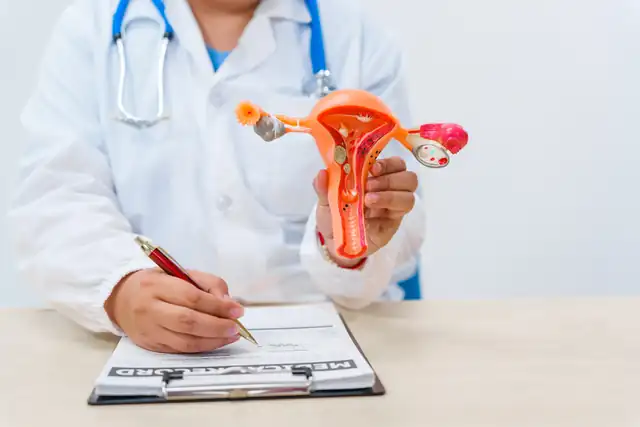
Gynaecological endocrinology
PCOS and hormonal disorders
My doctoral thesis, defended in 2008, investigated the genetic background of polycystic ovary syndrome. Gynaecological endocrinology has remained one of the main areas of my practice ever since.
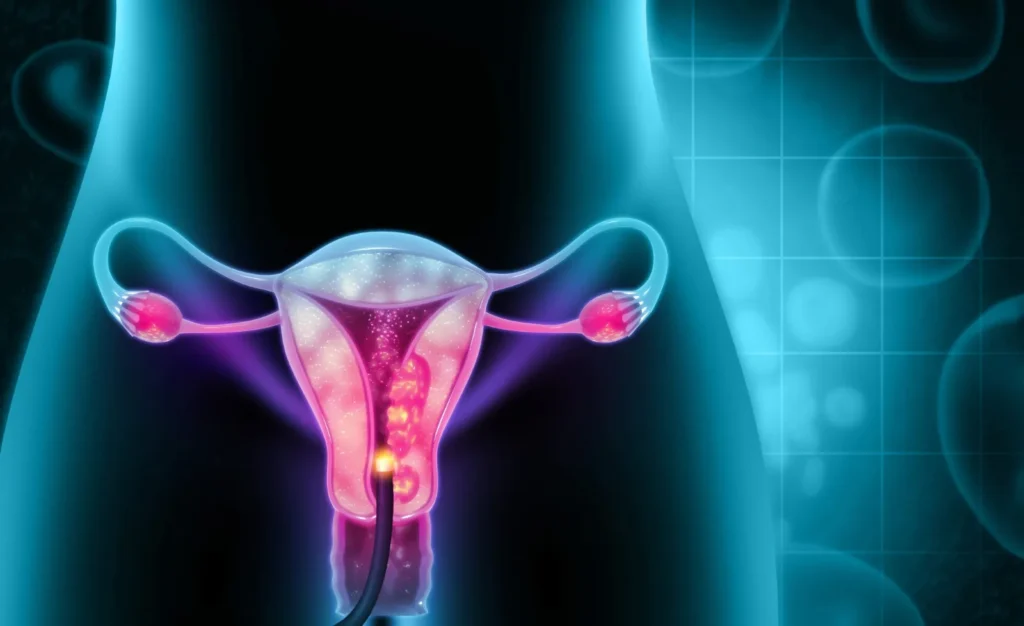
Diagnosing PCOS requires a combination of history, examination, ultrasound and selected hormone tests, as well as ruling out other causes of similar symptoms. At the consultation we discuss:
- cycle regularity and previous test results
- the symptoms that bother you most (e.g. acne, excess hair growth, hair loss)
- reproductive plans — from contraception to trying to conceive
- metabolic factors worth assessing or discussing with another specialist
Preparation: note the dates of your last periods (ideally over several months) and bring any hormone test results you have.
Endometriosis
Period pain that is not “normal”
Severe period pain, pain during intercourse, chronic lower abdominal pain or difficulty conceiving may be related to endometriosis. The starting point is a detailed history and examination; transvaginal ultrasound helps assess changes in the ovaries and pelvis.
A normal ultrasound does not rule out endometriosis — in that case we discuss further diagnostic options, symptomatic treatment and, if needed, the next steps in care.
Preparation: describe the nature of the pain, how it relates to your cycle and what has helped so far.
Areas of practice
Fertility and recurrent miscarriage
Assessment of difficulties conceiving, tubal patency testing, consultations after pregnancy loss.
Hysteroscopy
Assessment of the uterine cavity and removal of lesions such as polyps or adhesions.
Intimate health
Dryness, discomfort, symptoms after childbirth and during menopause; complementary treatments.
Book a gynaecology consultation
Appointments take place at 1 Maja 88a, Katowice. Check available times in the ZnanyLekarz calendar or call the reception desk. Consultations are available in English.